Five Pantry Foods That Built a Farm Kitchen
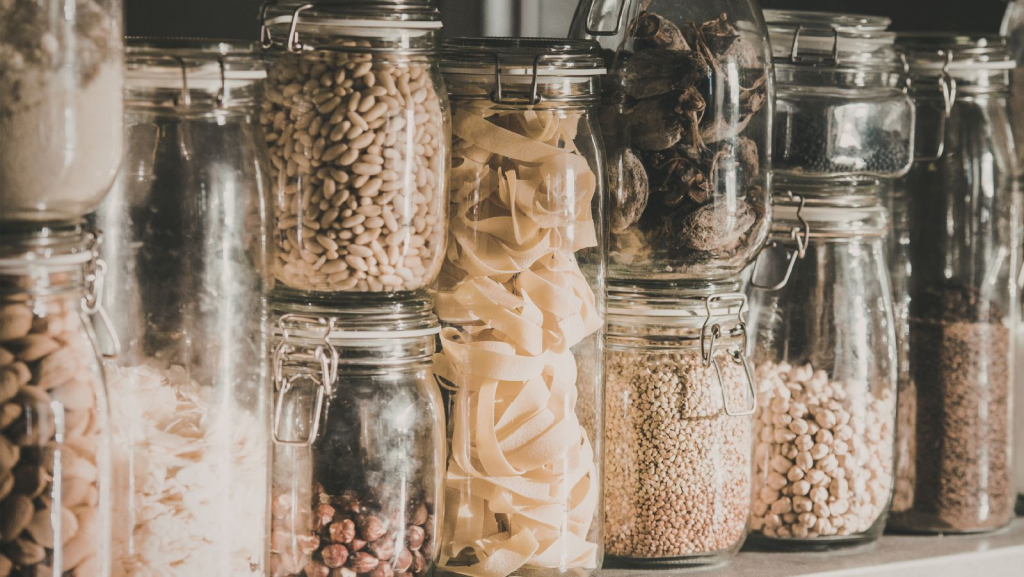
Long before grocery stores stayed open late and delivery trucks arrived every morning, the kitchen pantry carried a quiet kind of responsibility.
It had to hold what a household needed, not just for a few days, but for whatever came next. Ordinary days. Busy days. Lean seasons when you had to stretch what you had and make it work.
Farm families did not keep hundreds of products on their shelves. They kept a handful of dependable foods. Ingredients that could be turned into meal after meal without much fuss. Foods that were inexpensive, filling, and familiar.
A well-kept pantry was never really about abundance.
It was about knowing you had what you needed.
Sometimes I think about the women who ran those kitchens in the late 1800s and early 1900s.
When they went to town, their lists were short. Flour. Sugar. Coffee. Salt. Maybe baking powder or yeast if they were low. The rest of the food did not come from a store at all. It came from gardens, root cellars, smokehouses, and the shelves they had slowly filled over time.
Today, it looks very different.
It is easy to walk through a grocery store and come home with fifty items without thinking twice. Sauces, boxed mixes, snacks, frozen meals, all designed to make things quicker.
But if you stop and look closely, most of those foods still begin the same way.
Flour. Beans. Oats. Potatoes. Salt.
The difference is not the ingredients.
It is how far they have been taken from the kitchen.
When you pick up something packaged, you are paying for more than what is inside. There is processing, preservatives, packaging, labels, and the cost of moving it all from one place to another.
All of that adds up.
Sometimes the food itself is only part of what you are paying for.
Earlier kitchens worked differently. They bought ingredients, not finished products. The cooking happened at home, and the pantry held what made that possible.
When I picture those older farm kitchens, I see shelves lined with jars, crocks, and sacks. Nothing fancy. Just what was needed.
And somehow, it was enough.
Flour — The Foundation of the Kitchen
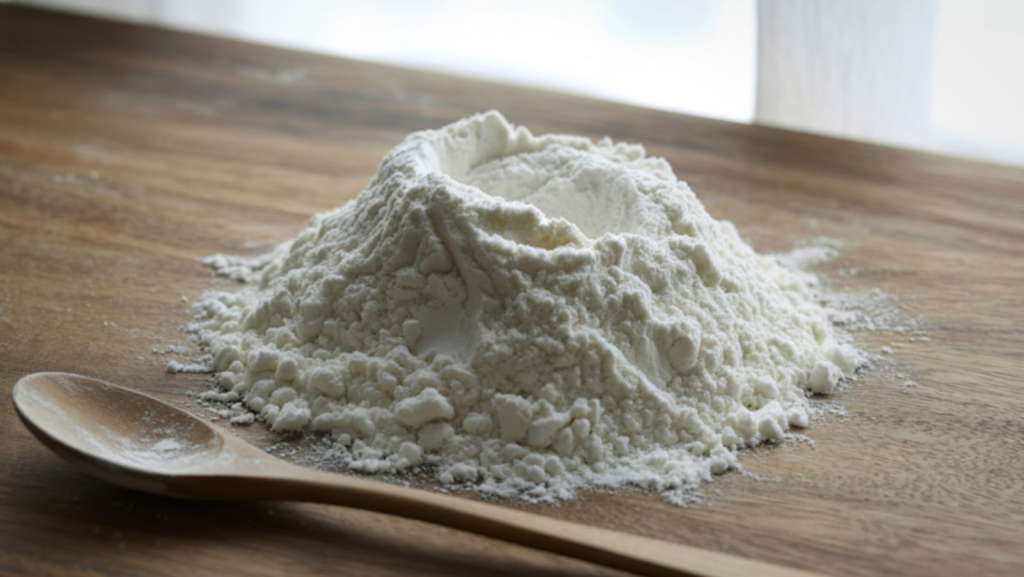
Few ingredients were as useful as flour.
With it, you could make bread, biscuits, pancakes, pie crust, dumplings, noodles, and gravy. One sack could stretch a long way when you knew how to use it.
Flour was not something you thought about much. It was just there, doing its job, turning simple ingredients into meals that filled a table.
Even now, not much has changed.
You might choose organic flour, a local mill, or whatever fits your budget, but it still does the same thing it always has.
It feeds people.
Beans — The Quiet Workhorse of the Pantry
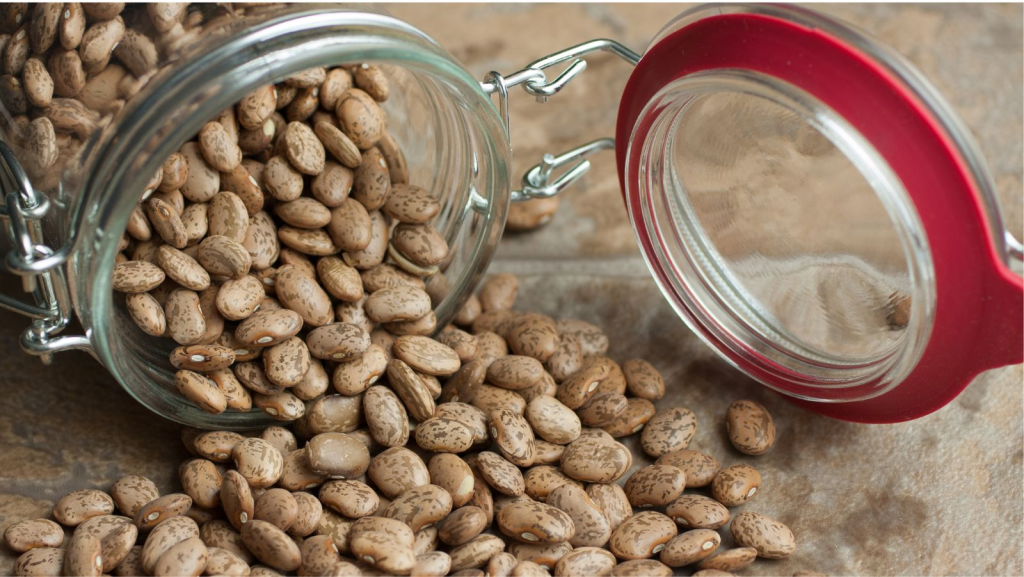
If flour held the kitchen together, beans kept it going.
They are one of the simplest foods you can keep on hand, and one of the most dependable. A pot of beans can turn into supper, then stretch into something else the next day without much effort.
They showed up in soups, stews, skillet meals, or simply on the side with bread.
Most households kept them in jars or sacks, tucked somewhere easy to reach. Not because they were special, but because they were steady.
They still are.
Oats — The Original Breakfast Staple
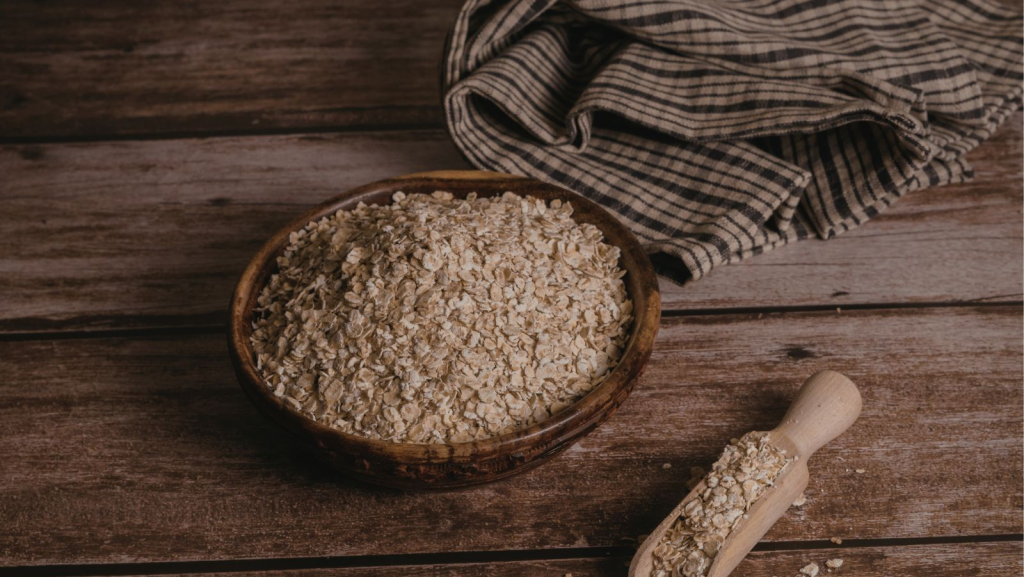
Before boxed cereal ever filled a shelf, there were oats.
A pot of oatmeal on the stove was enough to start the day. Warm, filling, and simple. The kind of meal that carried you through a long morning without much thought.
But oats were never just breakfast.
They found their way into breads, cookies, and even savory dishes when needed. They stretched what you had and made it go a little further.
Some things never really go out of style.
Potatoes — The Humble Meal Builder
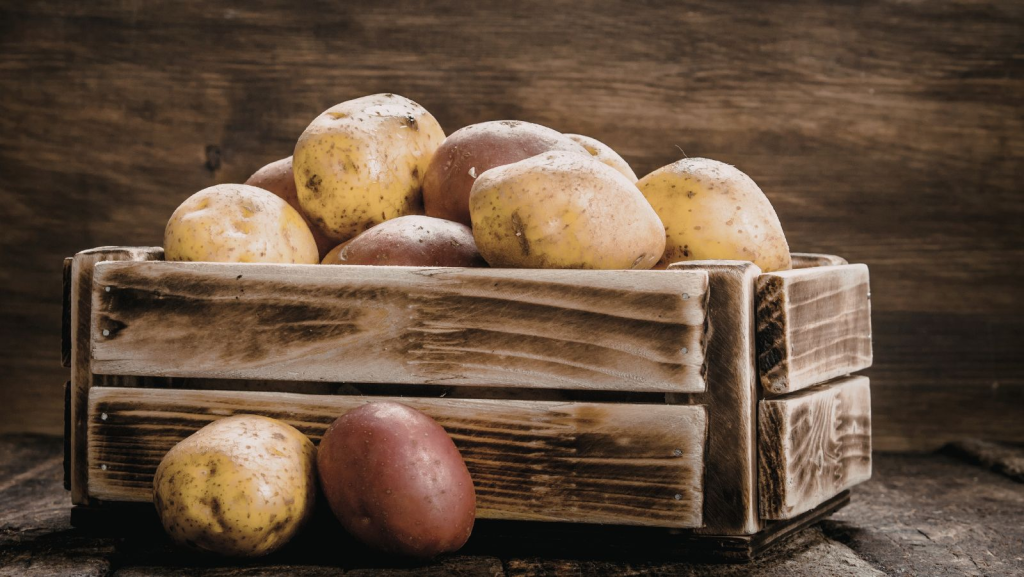
If there was one food that could carry a family through a hard season, it was potatoes.
They store well. They grow in a wide range of conditions. And they can be cooked in more ways than you can count.
Baked, mashed, fried, added to soups, or turned into something that feeds a crowd.
A basket of potatoes meant you could figure something out for supper, even when the pantry felt a little thin.
That kind of food matters.
Salt — The Ingredient That Preserved a Household
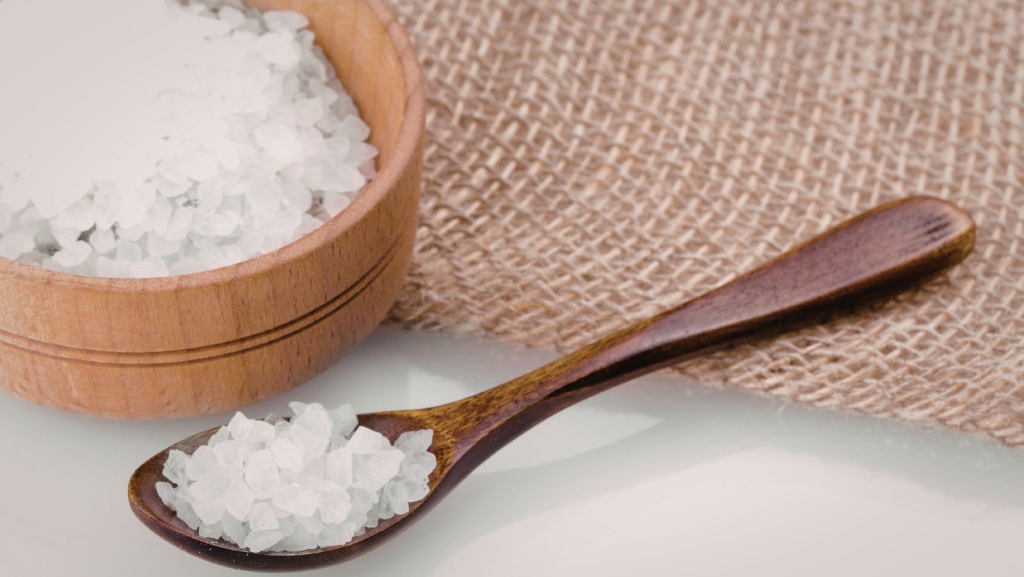
Salt does not get much attention now, but it once did.
It was essential for preserving meat, curing fish, fermenting vegetables, and seasoning just about everything that came out of a kitchen.
Without it, many households would not have made it through winter.
A small crock of salt near the stove was not optional.
It was necessary.
A Simple Example: The Biscuit
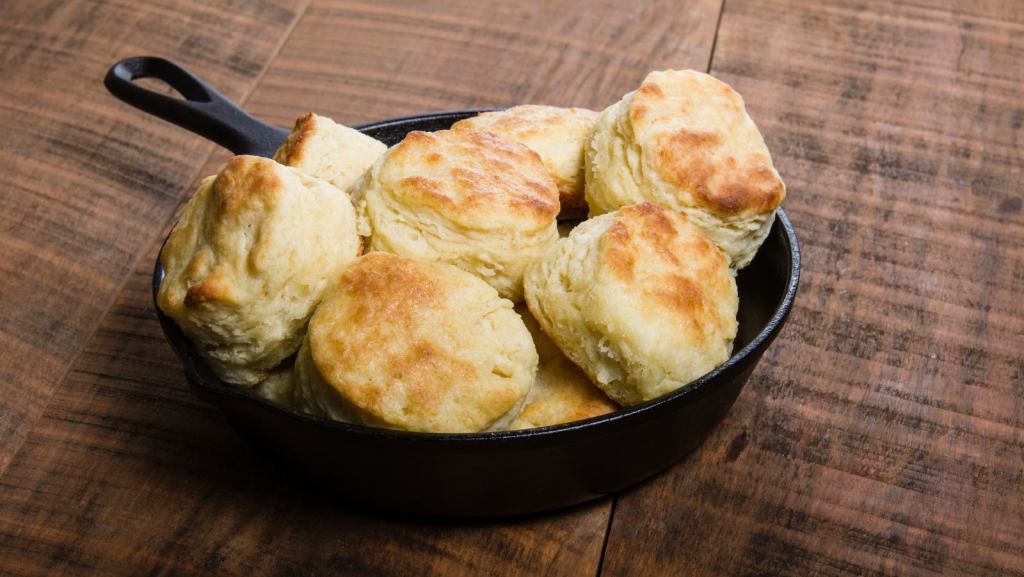
Sometimes the difference between then and now shows up in something as simple as biscuits.
A traditional biscuit recipe is made from a few basic ingredients. Flour, fat, milk, baking powder, and salt. Everything needed was already in the kitchen.
Today, if you pick up a can of biscuits, the list is much longer. Ingredients added to preserve, stabilize, and hold everything together while it sits on a shelf.
Biscuits used to be mixed and baked.
That was it.
Convenience the Old-Fashioned Way
Those kitchens still found ways to make life easier.
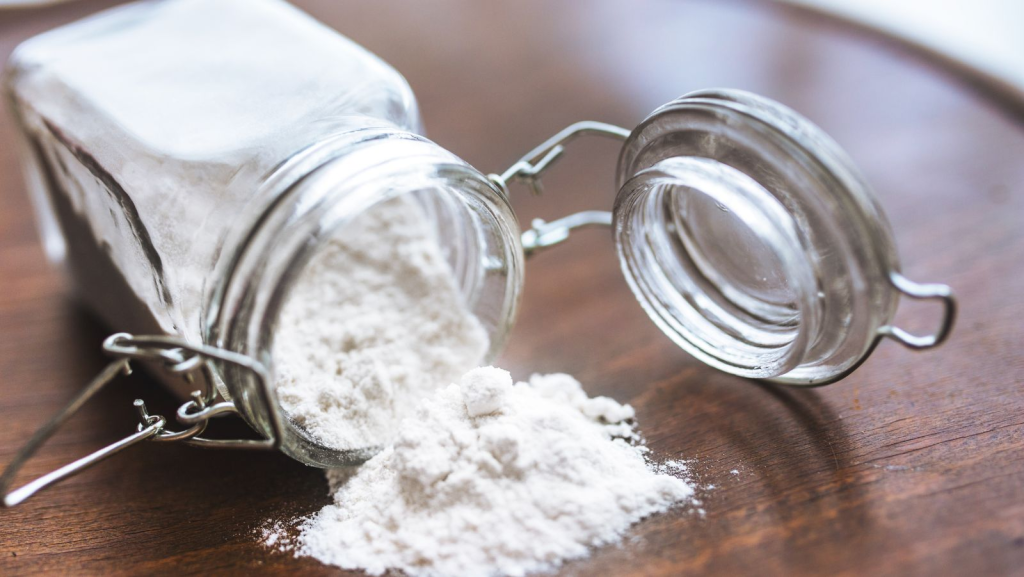
If something was made often, it was prepared ahead in small ways. Dry ingredients mixed together and kept ready. A habit that saved time without changing the food itself.
I do the same thing now.
Since it is just the two of us here, I keep my biscuit mix in pint jars on the pantry shelf. Each jar holds just enough for one batch. No waste. No big container taking up space.
I like tying a small paper tag to the jar with a bit of twine so I remember what is inside.
It is simple, but it works.
And it makes the pantry feel like a place you want to be.
A Simple Biscuit Mix for the Pantry
For one pint jar:
1½ cups flour
1½ teaspoons baking powder
¾ teaspoon salt
Whisk the dry ingredients together and store them in a pint jar.
When biscuits sound good, pour the jar into a bowl.
Cut in 3 tablespoons butter or lard, then stir in ½–⅔ cup milk or buttermilk until a soft dough forms.
Pat the dough out, cut the biscuits, and bake at 425°F for about 12–15 minutes.
Fresh biscuits without opening a can.
A Small Note About the Mix
You can use any biscuit recipe you like.
The point is not the exact measurements. It is the habit of keeping part of the work already done.
The jar holds only the dry ingredients. The rest is added fresh when you are ready to bake.
Sometimes that is all convenience needs to be.
The Quiet Wisdom of a Simple Pantry
Flour. Beans. Oats. Potatoes. Salt.
Nothing fancy.
And yet these ingredients fed families for generations.
A kitchen stocked with simple, dependable foods allows a household to cook nourishing meals without relying on expensive convenience products.
Sometimes the most reliable kitchen is still the one built on the simplest ingredients.