Farm Journals: What They Were and Why We Still Need Them
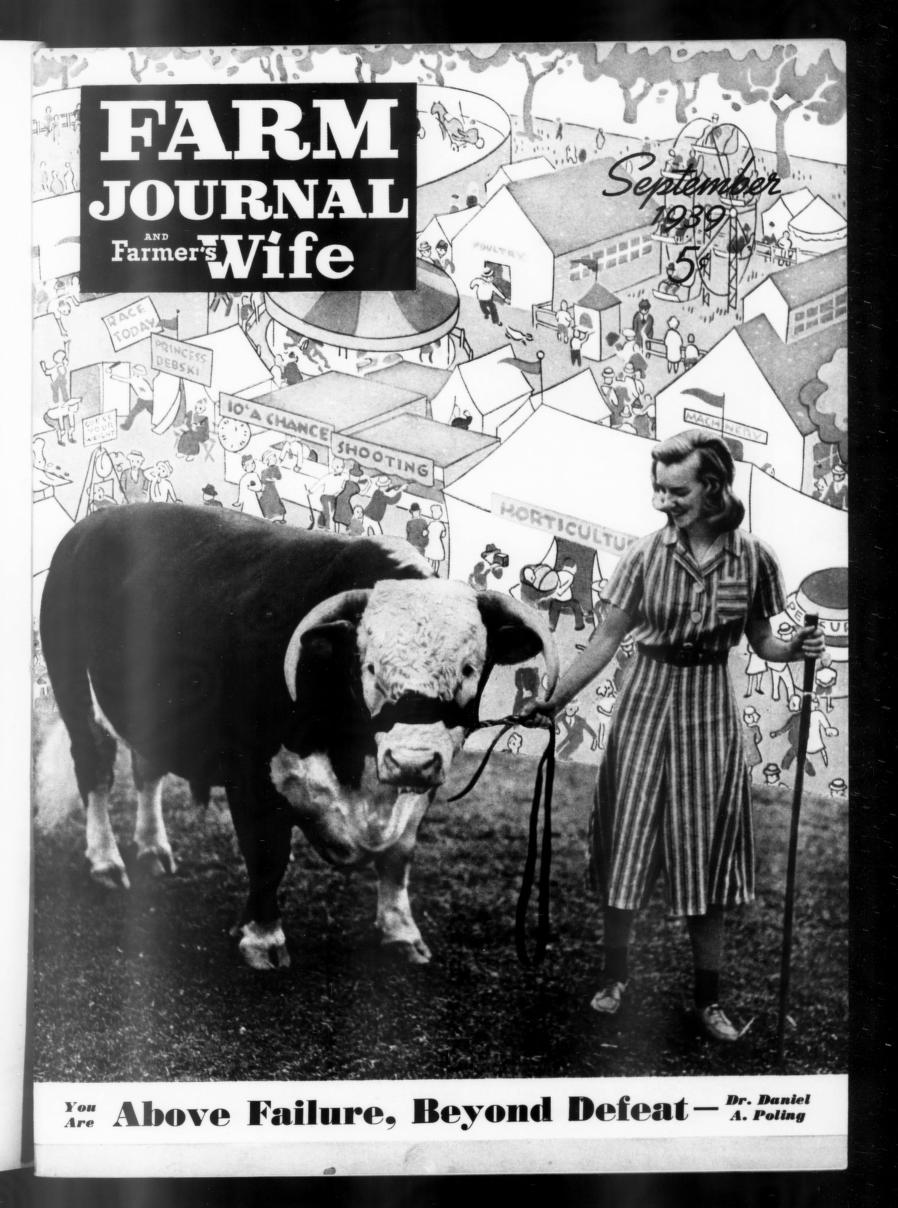
Long before blogs, podcasts, and social media, farm families had something much simpler. They had farm journals. These magazines were not just about agriculture. They were part handbook and part connection to other people living the same kind of life.
You would find these farm journals sitting on the kitchen table, next to cookbooks, or folded beside a coffee cup. People read them after chores in the evening. Women clipped recipes and household tips. Kids flipped through the pages looking at animals, tools, and anything that caught their eye. For families who lived miles apart, farm journals mattered more than people probably realize now. They were a quiet way of knowing you were not the only one doing this kind of life.
Several publications showed up in farm homes across the country over and over again. Farm Journal was one of them, written for the whole household and covering everything from livestock and crops to cooking and everyday work. Successful Farming focused more on production and livestock but still included real-life stories from people working the land. And then there was The Old Farmer’s Almanac, which was not a magazine but lived in the same place in the house. It held planting dates, weather notes, recipes, and practical advice, and it still ends up on kitchen tables next to seed catalogs every year.
What Old Farm Journals Actually Were
I remember farm journals from when I was younger. A friend’s dad had them stacked everywhere, and they did not just sit there. People read them and used them. They made sense because farms were smaller, usually under a hundred cows, and run by families.

Now most of what you see is built around large operations with thousands of cows. That is a completely different world. A lot of that information just is not relatable if you are running a smaller place.
What made those older farm journals different was not just the size of the farms they talked about. It was what they actually included. They were not focused on one thing. They covered the whole life of a farm household.
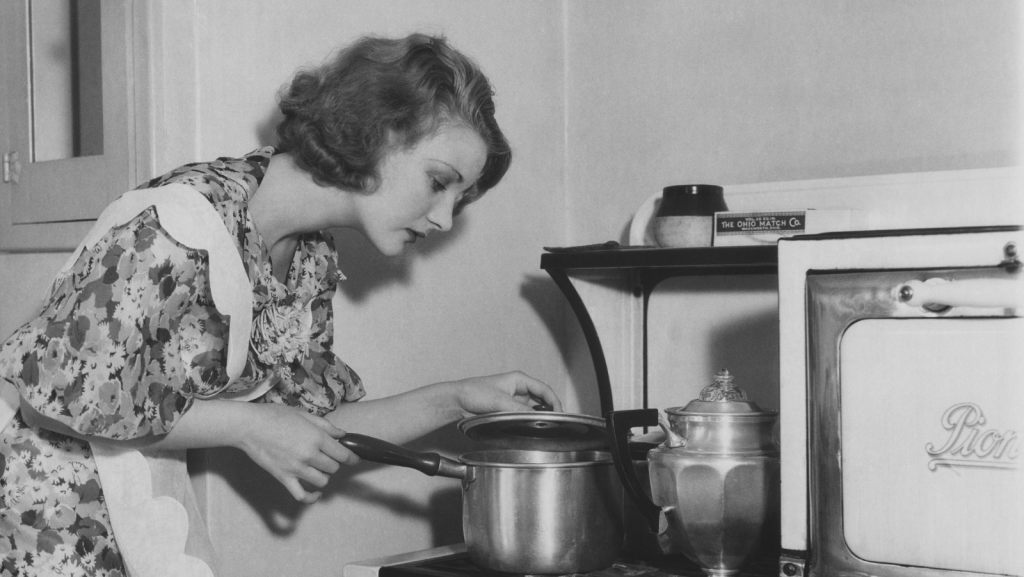
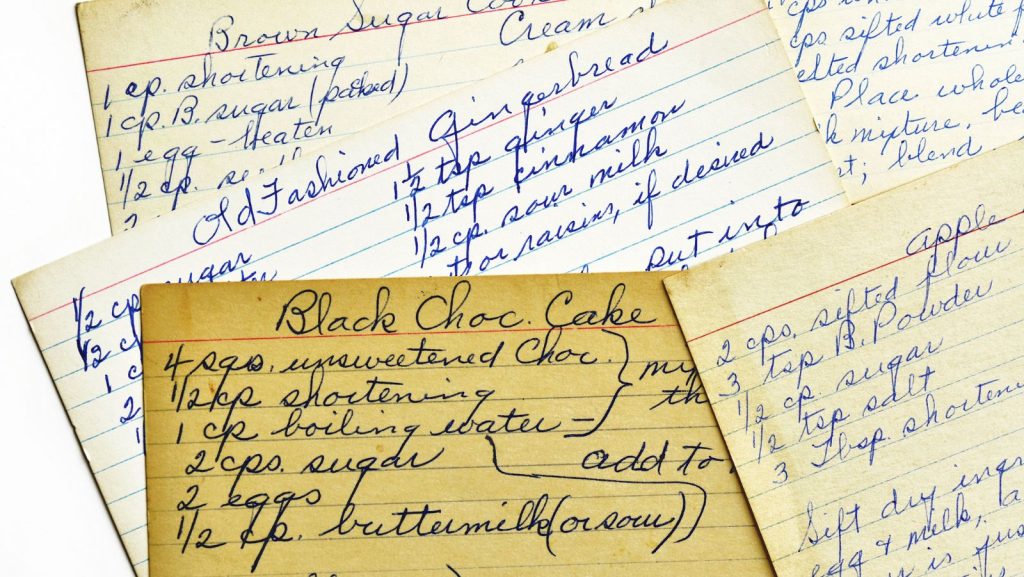
In one issue, you could read about feeding livestock, then turn the page and find a recipe someone actually made in their kitchen. There were sections on gardening, planting by season, and dealing with whatever problems showed up that year. If you enjoy growing flowers that actually belong where you live, you might also like my post on Old-Fashioned Prairie Garden Flowers That Still Belong Here. You would also find advice on preserving food, stretching what you had, sewing and mending, and keeping a household running without wasting time or money.
They also had regular sections people came back to every time a new issue showed up. A recipe column you checked first. Seasonal planting notes. Letters from readers sharing what worked and what did not. Short pieces of advice that felt like they came from someone living the same kind of life, not from an expert writing from an office somewhere.
That is what made farm journals useful. They were not trying to impress anyone. They were trying to help people get through the next season.
What Changed Over Time
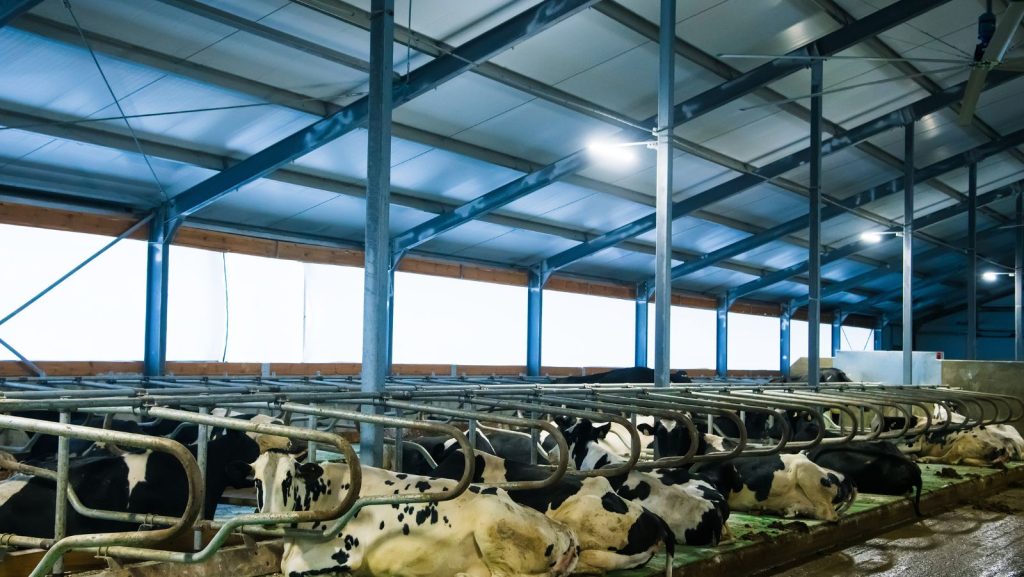
Over time, farming changed. Operations got bigger and more focused on production and markets, and a lot of the everyday parts of farm life started disappearing from those farm journals.
At the same time, everything moved online. Now information is everywhere, but it is scattered. Quick tips, short posts, things you read once and forget. You can learn something in five minutes and lose it just as fast.
In the middle of all that, something has started shifting back. More people are returning to basic skills like gardening, cooking at home, raising animals, and learning how to do things for themselves again. Along with that, a few publications have started carrying forward the older style. Homesteaders of America publishes a magazine that focuses on small livestock, gardening, food preservation, and everyday work. Backwoods Home Magazine leans into self-sufficiency, food production, and rural living. They are not trying to be flashy. They are useful, and that is what makes them feel familiar.
Where to Read Old Farm Journals Today
One of the best things now is that many of the older farm journals have been preserved online. Through the Internet Archive, you can read full issues from decades ago. If you sit down with a cup of coffee and start flipping through them, you can lose an afternoon without trying.
One example is Farm Journal, January 1939 (Vol. 63, Issue 1):
https://archive.org/details/sim_farm-journal_1939-01_63_1
It is all there, from farming and livestock to cooking and household work, exactly the kind of information people used every day.
Why I’m Building My Own Farm Journal

Lately, I have found myself wanting to go back to something simple. Not everything needs to live on a screen. There is something better about having information in one place where you can come back to it when you need it.
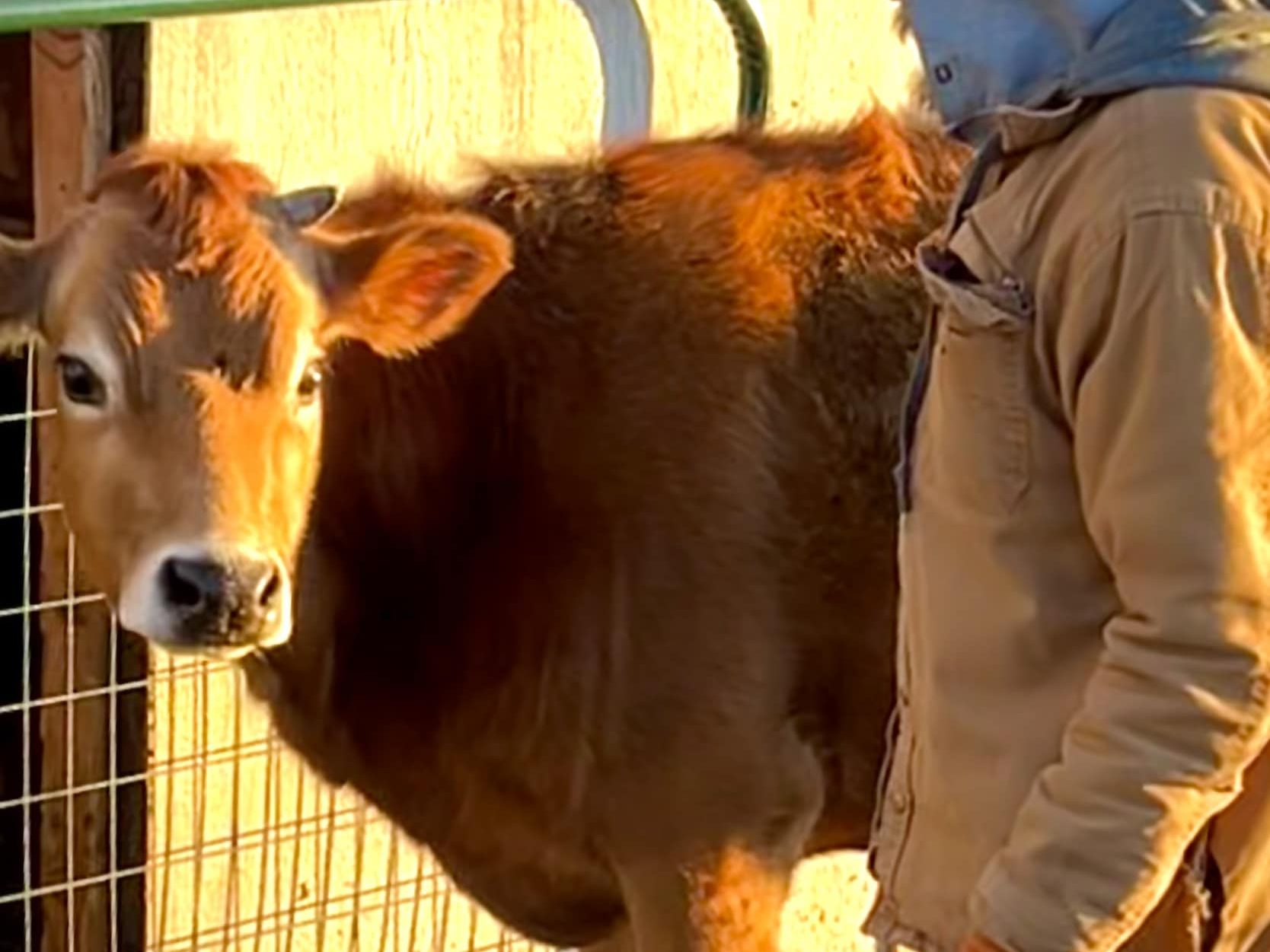
Out here in eastern Colorado, life runs by seasons. Cows, gardens, milk, and food going into jars.
Some days it is animals, some days it is the garden, and some days it is the kitchen.
And sometimes it is the quieter work inside, learning and making things that do not get talked about as much anymore.
That is a big part of why I am writing this.
Not to recreate something perfectly, but to bring back the parts that made farm journals useful in the first place. The idea that one place can hold more than one part of life. Not just animals or just gardening or just recipes, but all of it together.
That is how this site is set up.
The Farm Journal is where I write about the day-to-day work and what I am learning as I go. The Garden is where I keep track of what grows here and what does not. The Pantry holds the food side of things, from cooking to preserving. The Still Room is where I put the slower work, herbs, and things that take more time to learn. And the Mercantile is there for anything that eventually turns into something you can actually use.
It is not complicated. It is just organized in a way that reflects real life.
That is what farm journals did. They kept everything together, because that is how people were actually living.
This is just my version of that, written as it happens.
Thanks for pulling up a chair at the Prairie Farm Table today.
Jen