Old-Fashioned Prairie Garden Flowers That Still Belong Here
Out here, a garden does not care what you planned.
For years, I chased the idea of the perfect garden. The kind you see in magazines, where everything is laid out just right. Beds full of color, edges neat and tidy, something always in bloom from early spring through the first frost. I thought if I tried hard enough, I could build that kind of garden here.
But the prairie has a way of reminding you where you are.
Out here, the weather does not follow anyone’s plans. Some years the wind never seems to stop. It moves across the land day after day, drying the soil and tugging at anything not firmly rooted. Other years, the grasshoppers arrive early and in numbers that make you wonder if they have been waiting all winter just for this moment.
And then there is the hail.
It comes most years. Sometimes it is nothing more than a quick rattle across the roof. Other times, it can flatten a garden in minutes, leaving behind broken stems and scattered petals.
After a few seasons of that, you begin to notice something.
Some plants struggle no matter how carefully you plan. You can water, protect, and tend them every day, and still they fail to thrive. However, others keep growing as if none of it matters.
And those are almost always the old-fashioned flowers.
The Flowers That Stayed
When you look at older farmhouses, you start to see a pattern.
The gardens were never elaborate. They were not designed to impress anyone passing by. But certain flowers appeared again and again, no matter where you were.
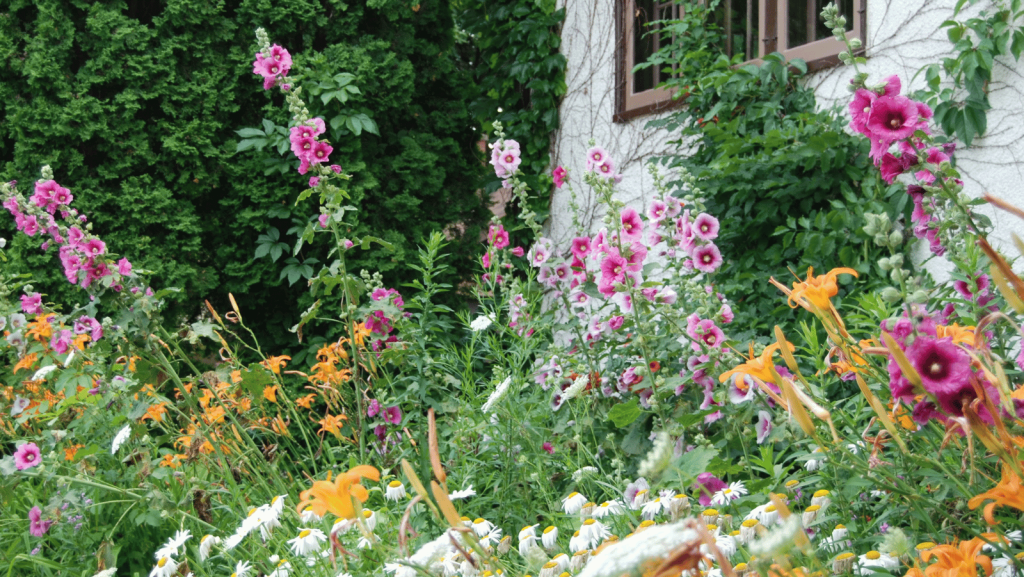
Hollyhocks leaning against a fence.
Peonies blooming beside the house.
Iris spreading quietly along the edge of the yard.
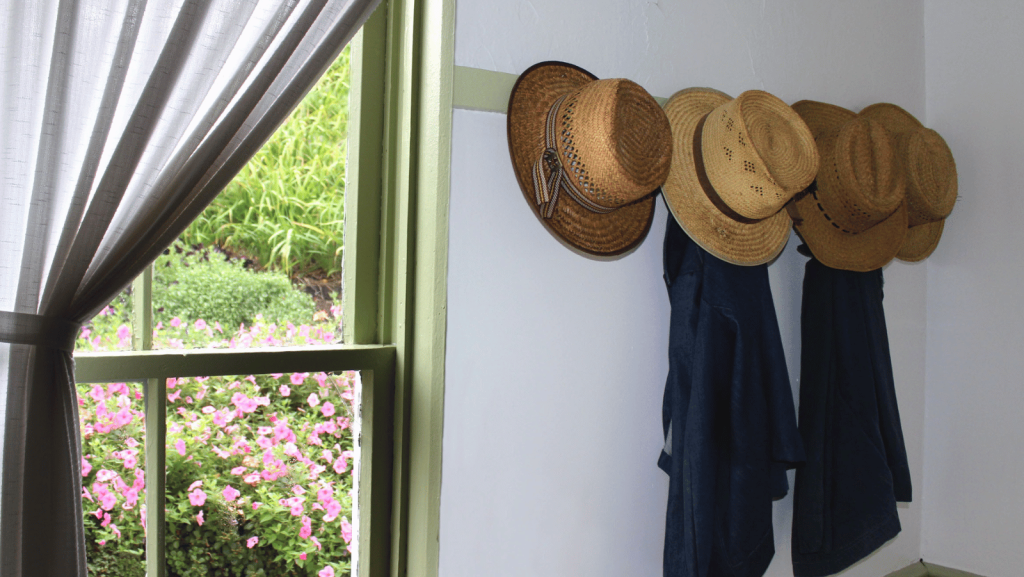
If you drive past an Amish farm today, you will often see the same thing. Simple beds of flowers tucked along the house or gathered near the porch. Nothing overly planned, and yet it always feels complete.
Those gardens were not trying to be beautiful.
They just were.
A Garden That Was Already There
One of my earliest memories of an old garden goes back to when we moved into a farmhouse in Minnesota when I was about six years old.
That first spring felt like discovering something that had been left behind on purpose.
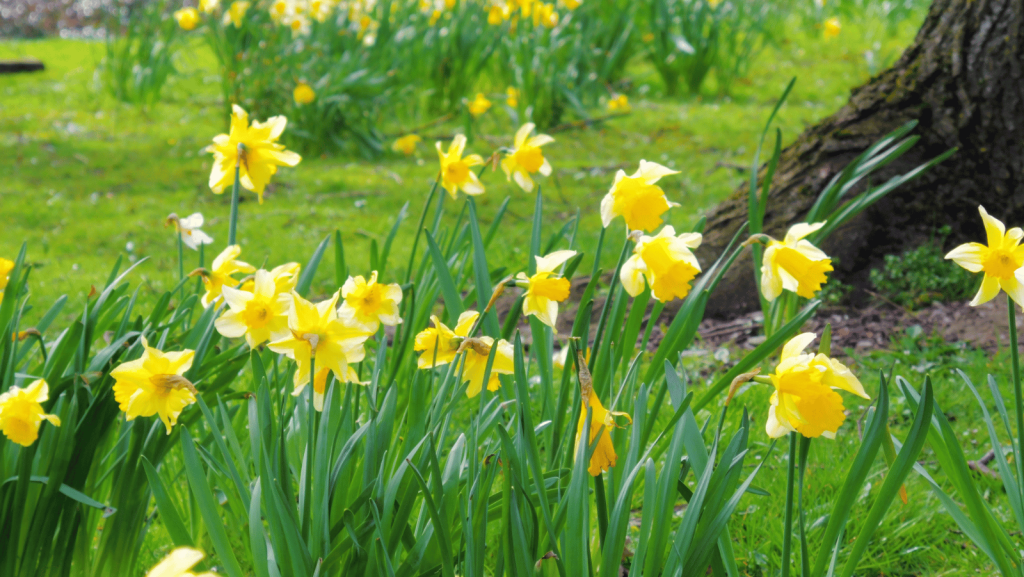
As the weather warmed, flowers began appearing all over the yard, one after another, as if they had simply been waiting for someone to notice them again. The driveway was lined with peonies that must have been planted years before we ever arrived. Around the front step, daffodils pushed through the soil like they knew exactly when it was time to return.
Tiger lilies had spread themselves so far they were reaching toward the woods, and right under the front window stood a lilac bush so full it filled the air with that unmistakable early summer scent.
I remember my mom walking slowly through the yard, stopping every few steps as another patch of flowers revealed itself. You could see how much it meant to her.
It felt like the house had come with a garden already in motion.
How Prairie Gardens Began
When families moved west in the 1800s, they were not bringing flower beds with them.
Wagons were filled with what was necessary. Tools, bedding, cookware, and whatever else a family needed to begin again somewhere new. There was no extra space for anything that did not serve a purpose.
But seeds were different.
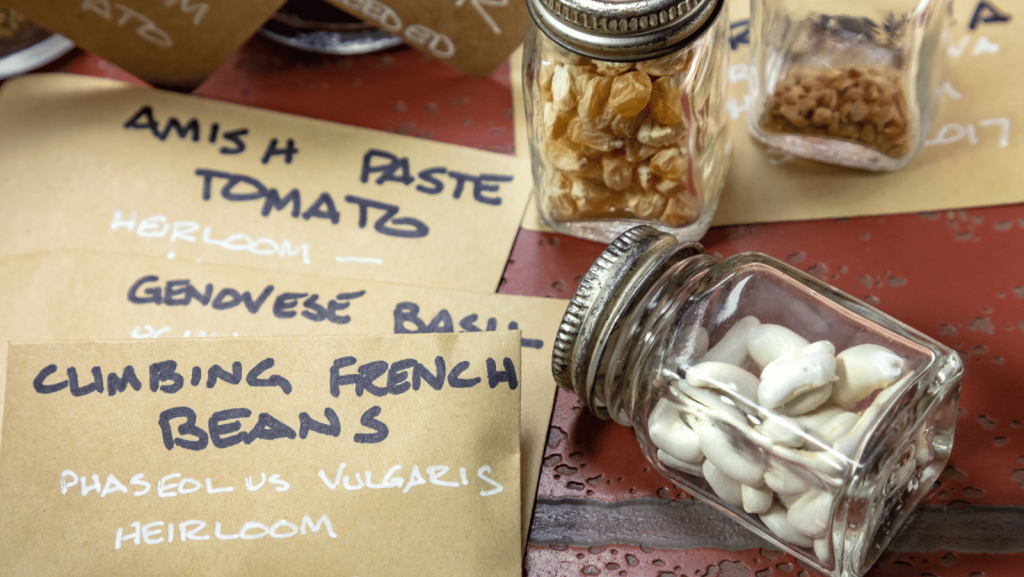
Seeds were small. They could be tucked into a pocket, slipped into a sewing box, or folded carefully into a piece of paper and placed in a trunk. And when a family finally settled long enough to plant a garden, those seeds went into the ground.
In that way, prairie gardens were not designed all at once. They grew slowly, piece by piece, from what people carried with them.
Seeds From the Catalog
Most of those gardens used a simple combination of perennials and annuals.
The perennials returned faithfully each year, no matter what the winter had been like. The annuals were planted again each spring, filling in the spaces and bringing color through the summer months. Over time, certain flowers became part of nearly every garden, not because they were fashionable, but because they could handle real conditions.
Peonies returned year after year with very little care.
Iris spread quietly and filled in spaces on their own.
Hollyhocks grew tall and often reseeded themselves without help.
Blanket flower handled heat, wind, and dry soil without complaint.
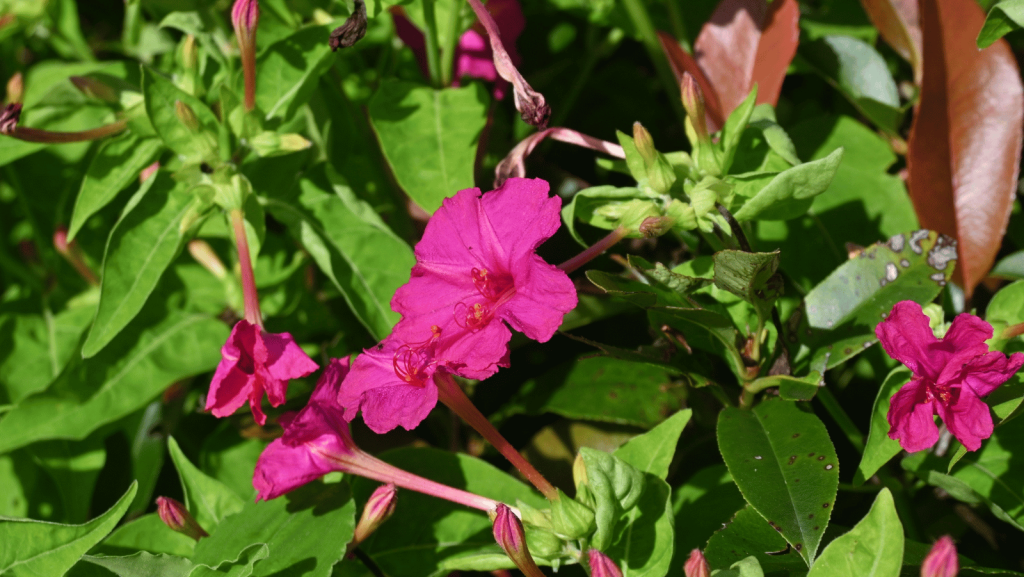
Four-o’clocks came back on their own, opening late in the day as the heat faded.
None of these plants required perfect soil or constant attention.
They simply grew.
Old-Fashioned Flowers That Still Work Here
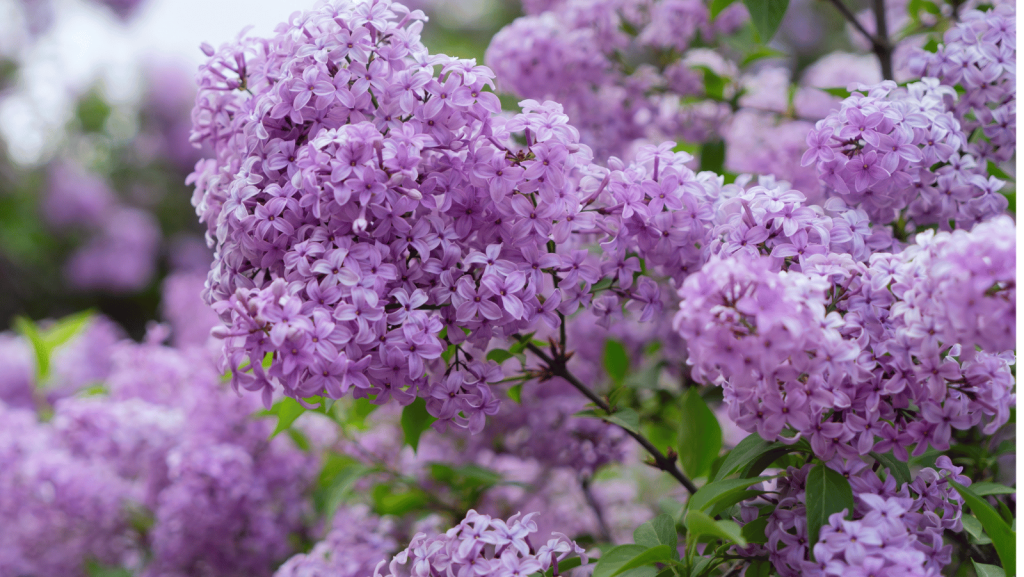
Over time, certain flowers became part of nearly every garden, not because they were trendy, but because they could handle real conditions.
Peonies return year after year with very little care.
Iris spread quietly and fill in spaces on their own.
Hollyhocks grow tall and often reseed themselves without help.
Blanket flower handles heat, wind, and dry soil without complaint.
Four-o’clocks come back on their own, opening late in the day as the heat fades.
None of these plants require perfect soil or constant attention.
They simply grow.
The Tall Flowers by the Fence
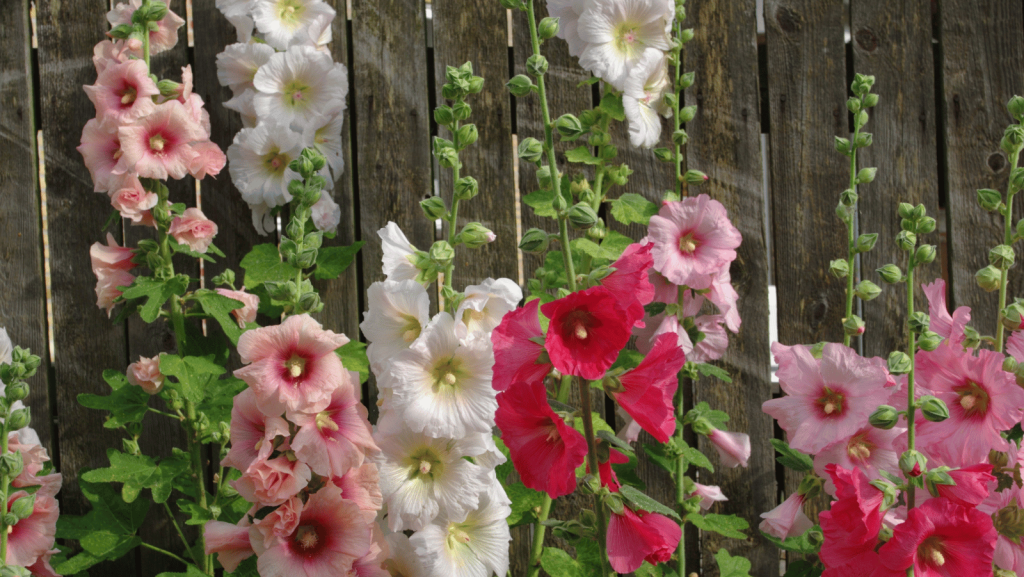
Hollyhocks, in particular, seemed to belong to these places.
They were often planted beside fences or barns, and sometimes even near the more practical corners of the yard where a little height and color made a difference. Their tall stalks rose up easily, and once they were established, they had a way of staying.
They reseeded themselves year after year, returning without much help.
Even now, when you see hollyhocks standing beside an old house, they look as though they have always been there..
Flowers That Thrive on the Plains
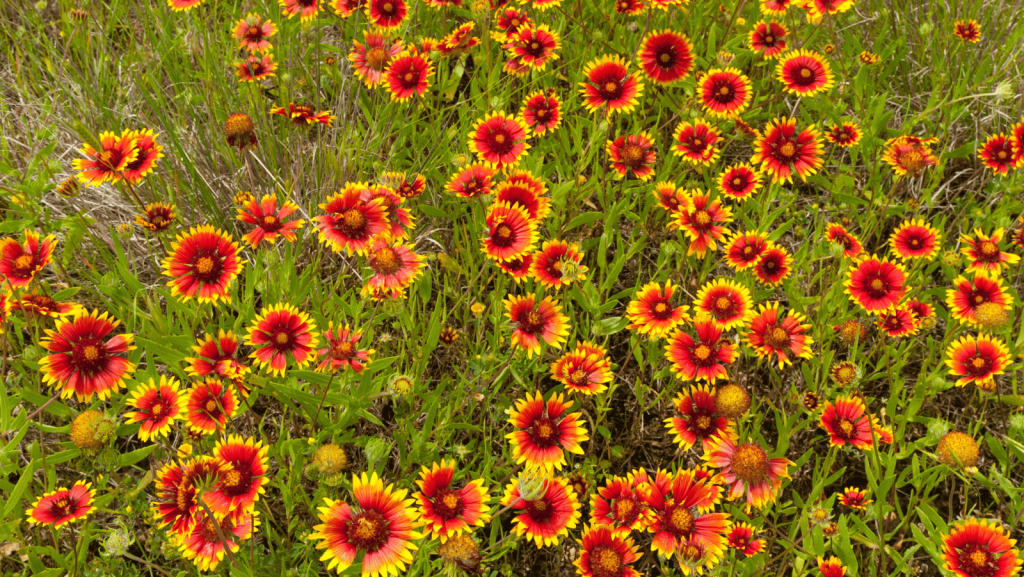
Some flowers were especially suited to life on the plains.
Blanket flower, or gaillardia, is one of them. It handles dry soil, wind, and long stretches of summer heat without much complaint, its red and yellow blooms bringing color where many other plants would struggle.
Four-o’clocks are another. They open in the late afternoon, almost as if they are waiting for the heat of the day to pass. They reseed easily, and once they appear, they rarely leave.
These are not delicate flowers.
But they are dependable.
And out here, that matters more than anything else.
Seeds That Travel Through Communities
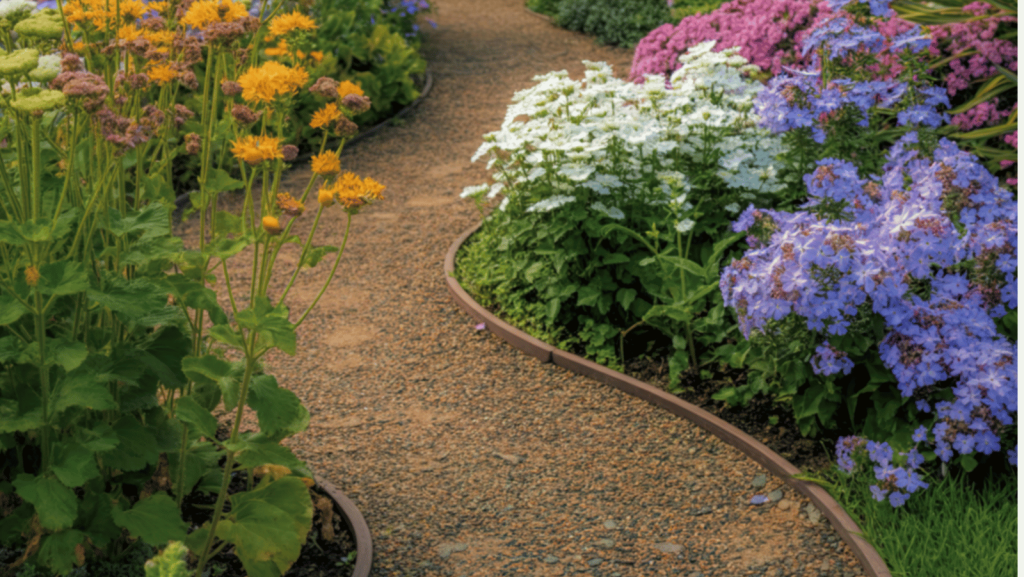
Part of what allowed these flowers to last is how easily they travel from one garden to another.
Gardeners saved seeds at the end of the season and tucked them into small envelopes or folded paper. They shared them across fences, handed them to neighbors, and passed them along without much thought.
That is how gardens spread.
Not through stores or careful planning, but through people.
The Kind of Garden I’m Planting Now
After a few years of trying to create something perfect, I have started to understand the value of those older gardens.
And truthfully, this year I am starting over whether I planned to or not.
The grasshoppers took nearly everything last season. What they left behind, the weather finished off. It is hard not to feel a little discouraged when that happens, especially when I look at my sisters’ gardens in Minnesota and Wisconsin, where things seem to grow so easily.
Out here, the wind alone can carry seeds halfway across the property before they ever touch the ground.
Gardening has a way of reminding you exactly where you live.
So this year, I am choosing differently.
I am planting the kinds of flowers that have already proven they belong here. The ones that do not need perfect conditions or constant attention. The ones that come back, year after year, whether anyone is watching or not.
Not because they are fashionable.
Because they work.
Thanks for pulling up a chair at the Prairie Farm Table today.
Jen